

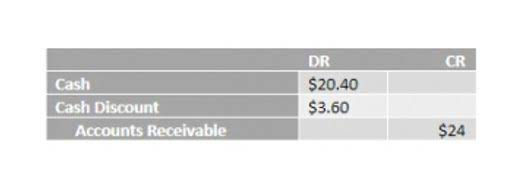
The term “cash over short” refers to the difference, often small, between the actual cash handled by an employee and the amount recorded in the company’s financial statements. In accounting jargon, this represents a variation between the sales price of merchandise or services as documented against the amount collected from customers or clients. It is essential to acknowledge that this term primarily applies to businesses dealing extensively with cash transactions, such as retail outlets and https://www.oncofem.com.co/going-concern-auditor-s-opinion-and-going-concern/ banking institutions. The concept of cash over short, also known as “over and short,” is a significant term in accounting. It refers to the difference between a business’s reported figures, as indicated in their sales records or receipts, and audited financial statements.

Cash Over and Short Is What Type of Account?

These variances arise when the cash in a drawer, register, or petty cash fund does not match the expected balance. Such discrepancies are common in daily operations where cash changes hands frequently, like at a cashier’s drawer at the end of a shift. Cash reconciliation is a crucial process for any business that handles cash regularly. It helps to ensure that the amount of cash in the cash register or bank account matches the amount of How to Invoice as a Freelancer cash transactions that have been made. One of the biggest challenges when it comes to cash reconciliation is minimizing over and short.
Journal entry for cash shortage
By identifying the root causes of cash discrepancy, organizations can implement effective strategies to prevent and address this financial challenge. The cash overage journal entry is one of many bookkeeping entries used in accounting, discover another at the links below. For example, assuming that we have a cash overage of $10 instead in example 1 above, as a result of having actual cash on hand of $2,800 which is more than the cash receipts of $2,790. When a cash discrepancy arises, a thorough investigation is imperative to unearth the root cause and prevent recurrence. The initial focus typically centers on the most recent transactions, as these are often where errors occur. It’s important to approach this inquiry with an open mind, considering all possible sources of error, from unintentional mistakes to deliberate acts of theft.

Resolving Overages and Shortages
In this case, we can make the journal entry for cash shortage by debiting the cash account and the cash over and short account and crediting the sales revenue account. Likewise, it can save us a bit of time and effort by including both cash shortage and cash overage into only cash over and short one account. Float is the amount of money temporarily unavailable to pay bills or be invested because checks have not yet cleared the bank or cash transactions are still being processed. In contrast, cash over short refers to an accounting discrepancy, where reported sales figures differ from audited figures.
- Regardless of the cause, cash discrepancies can have a significant impact on a business’s financial health if not addressed promptly.
- Balancing your cash drawer is an essential part of your business’s daily routine.
- Another way to maintain a healthy cash flow is to implement a cash handling policy.
- To record the cash shortfall the business needs to enter the cash shortage of 12 as part of the journal entry used to record the sales as follows.
- Resolving these overages and shortages can be a daunting task, but it is necessary for a business to minimize any financial discrepancies.
- For example, assuming that there is a $5 cash overage instead when we replenish the petty cash in example 2 above, which results in the petty cash reconciliation looking like the below table instead.

Minimizing over and short is crucial for accurate financial reporting, improved cash flow management, employee accountability, and security. By implementing best practices in cash handling and reconciliation, businesses can minimize over and short and ensure the integrity of their financial reporting. This is more common with companies that deal with significant amounts of cash (retail, banking, etc.) or that have large and heavily used petty cash funds. Cash over and short occurs when businesses either have more or less cash on hand than was expected/recorded in their general ledger.

-
 Saco box 1 metro$69.990
 -
 Zapatillas And1 Charge Kids$44.990
Partners
Deja una respuesta